
 cohabit insuranceSmarter insurance for your strata building.

Why Some Buildings Cost More to Insure Than Others
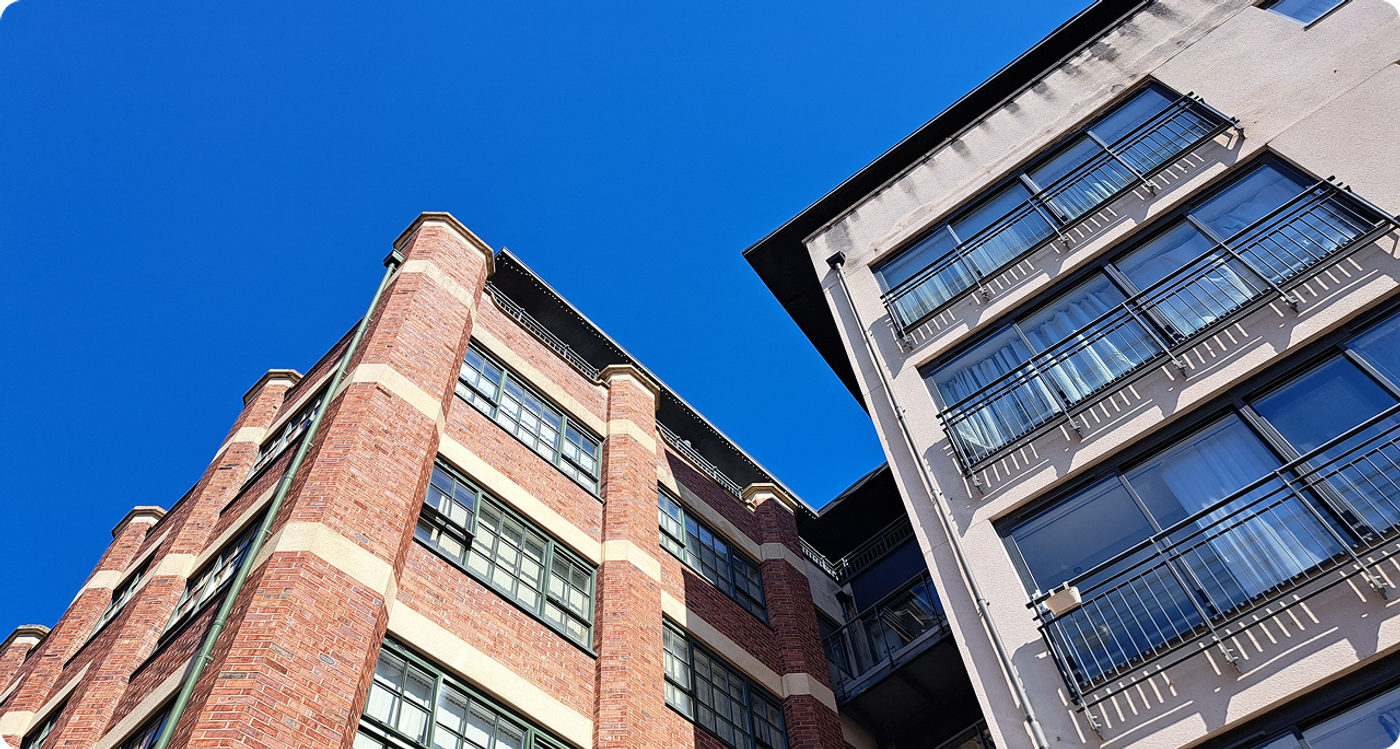
Not all buildings present the same level of risk to insurers, even when they look alike on paper.
Why two similar buildings can have very different premiums
It's a scenario every strata manager has seen: two buildings, same suburb, same size, built around the same time, and yet one renews at a materially lower premium than the other. The explanation is rarely a single factor.
Insurers aren't pricing a building's appearance. They're pricing its underlying risk profile, and that profile is built from a combination of history, construction, condition and management, so two "similar" buildings can differ considerably, even if neither committee could point to why.
Claims history and its influence on insurance outcomes
Of all the factors insurers weigh, claims history tends to carry the most weight. It's not just about how many claims a building has made, frequency, severity and cause all matter. A single large claim from a one-off weather event reads very differently to an underwriter than several smaller claims from the same recurring issue, like a leak that keeps returning. The second pattern signals an unresolved problem rather than bad luck, and insurers price for patterns, not incidents.
Building age and construction characteristics
Age matters, but not in a straight line. Older buildings often carry higher risk simply through ageing infrastructure, plumbing, wiring and roofing that were never built to today's standards and are more prone to failure as they age.
But newer isn't automatically safer either: buildings constructed roughly between 2000 and 2017 have, as a group, drawn particular scrutiny from insurers due to combustible cladding and a wave of construction defects identified across that era.
Construction materials matter just as much as age, non-combustible materials like concrete and steel are generally viewed more favourably than timber or aluminium composite panelling, independent of when the building went up.
The role of maintenance and building condition
This connects directly to how a building is managed day to day. A building that's ageing but clearly well maintained will typically be viewed more favourably than a newer one showing signs of neglect.
Insurers are looking for evidence that risks are being actively managed, not just that a building happens to be young.
The short version is that maintenance and documentation together do more to influence a premium than age or construction type alone.
Compliance requirements and risk management
Beyond physical condition, insurers are increasingly assessing how a building meets its regulatory obligations. Fire safety compliance, defect rectification progress, and adherence to disclosure requirements all factor into the risk picture.
A building with outstanding defect rectification orders or unresolved fire safety issues will typically face higher premiums, tighter policy conditions, or in some cases, a smaller pool of insurers willing to quote at all. Compliance is often where two similar buildings part ways.
How insurers assess the overall building profile
None of these factors are assessed in isolation. Insurers build a composite picture: claims history, age, construction, condition, compliance and even how the building is used (long-term residential versus a high proportion of short-term letting) all feed into a single risk assessment.
This is why a building can score reasonably on most individual factors and still attract a higher premium than expected: it's the combination, not any one line item, that determines the outcome.
It's also why two buildings that look alike on the surface can land in genuinely different risk categories once an underwriter looks closely.
Why understanding risk drivers helps explain insurance costs
Premium increases can feel arbitrary to owners and committees, but understanding the actual drivers changes that. Some factors, like a building's age, construction era or location, are effectively fixed. Others, like maintenance, documentation, compliance and claims management, are well within an owners corporation's control. Knowing the difference turns "why did our premium go up again" into a plan a committee can actually act on.
Is your building ready for renewal?
Better insurance outcomes start with better information. Take our free two-minute Renewal Readiness Check to see what’s ready, identify any gaps and get practical steps to help prepare your building for its next renewal.